Horror movies are no strangers to controversy, but few recent releases have sparked conversation quite like Obsession. What began as a breakout horror hit has quickly transformed into something bigger: a cultural phenomenon. Couples are walking into theaters expecting screams and leaving with something far more unsettling. Long car rides home have become longer conversations. TikTok comment sections have turned into battlegrounds. Everyone seems to have an opinion, and no one seems to agree.
What makes Obsession so compelling is not simply what happens on screen, but what it reveals about the people watching it.
An Object Lesson in Obsession
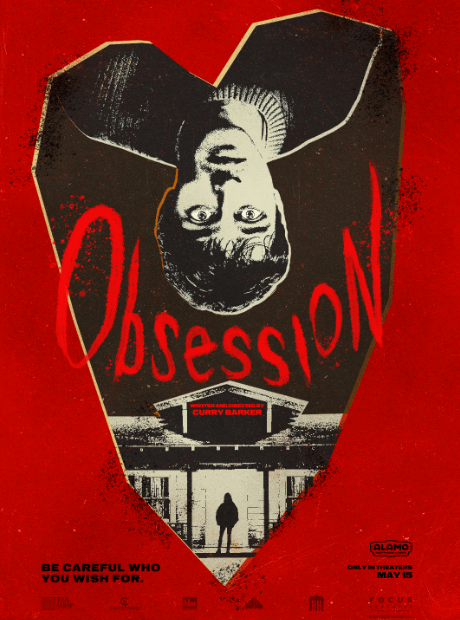
The film’s success lies in its ability to hold a mirror up to its audience. Viewers leave the theater divided, passionately defending one character while condemning another. The conversations surrounding the film have become just as fascinating as the movie itself.
For some, the story is a cautionary tale about entitlement and the dangers of unchecked desire. For others, it is a tragedy rooted in loneliness, rejection, and the universal need for connection. In an era where audiences are accustomed to clear heroes and villains, Obsession refuses to provide easy answers.
That ambiguity has turned the film into a cultural Rorschach test. People do not simply watch Obsession. They interpret it, debate it, and often expose a little of themselves in the process. The strongest reactions frequently come from those who see something familiar reflected back at them.
Watch the official trailer here!
One of Those Crazy Girls
Much of the film’s impact can be attributed to its leading actress, whose performance has quickly cemented her status as one of horror’s most exciting new faces.
On paper, her character should be difficult to connect with. She is volatile, frightening, and at times downright dangerous. Yet audiences, particularly women, have found themselves unexpectedly drawn to her. Not because they relate to her actions, but because they recognize the emotions driving them.
Horror has long served as a home for women whose feelings are deemed “too much.” Too emotional. Too obsessive. Too angry. Too desperate to be loved. The genre often takes these emotions and pushes them to their most extreme conclusions.
The comparison to Mia Goth’s performance in Pearl feels inevitable. Few viewers are wielding axes or developing relationships with scarecrows, yet audiences connected deeply with Pearl’s desperate desire to be seen. The same can be said here. Beneath the violence and instability lies something remarkably human: the longing to matter to someone.
Sometimes horror tells the truth more effectively than realism ever could.
Love in the Age of Surveillance
Part of what makes Obsession resonate so strongly is how contemporary it feels. We live in a world where access is often mistaken for intimacy. Social media allows us to know a person’s favorite songs, daily routine, relationship history, and whereabouts without ever speaking to them.
The film taps into an uncomfortable reality: the line between curiosity and intrusion has never been thinner.
In many ways, Obsession feels less like a horror movie and more like an exaggerated reflection of modern dating culture. It asks difficult questions about attraction, attention, and what happens when admiration becomes fixation.
The mark of a great horror film is not how loudly it makes an audience scream, but how long it leaves them thinking. Long after the credits roll, Obsession continues to linger in conversations between friends, debates between strangers, and quiet drives home shared between couples. For a film about obsession, there may be no greater achievement.

 Anyway! Magazine
Leave a comment