What does it mean to “meet” Michael Jackson decades after his cultural peak? As a generation, Gen Z interacts with media in ways that would have once seemed like science fiction. The barriers between artists and audiences have become increasingly thin, slowly killing the mystery of celebrity itself. Modern stars livestream from their bedrooms, casually post their routines online, and maintain an almost constant digital presence. Audiences now expect accessibility. We expect explanations, transparency, and intimacy from the people we admire.
Yet somewhere within that accessibility, spectacle has been lost.
The Death of the Modern Pop Myth
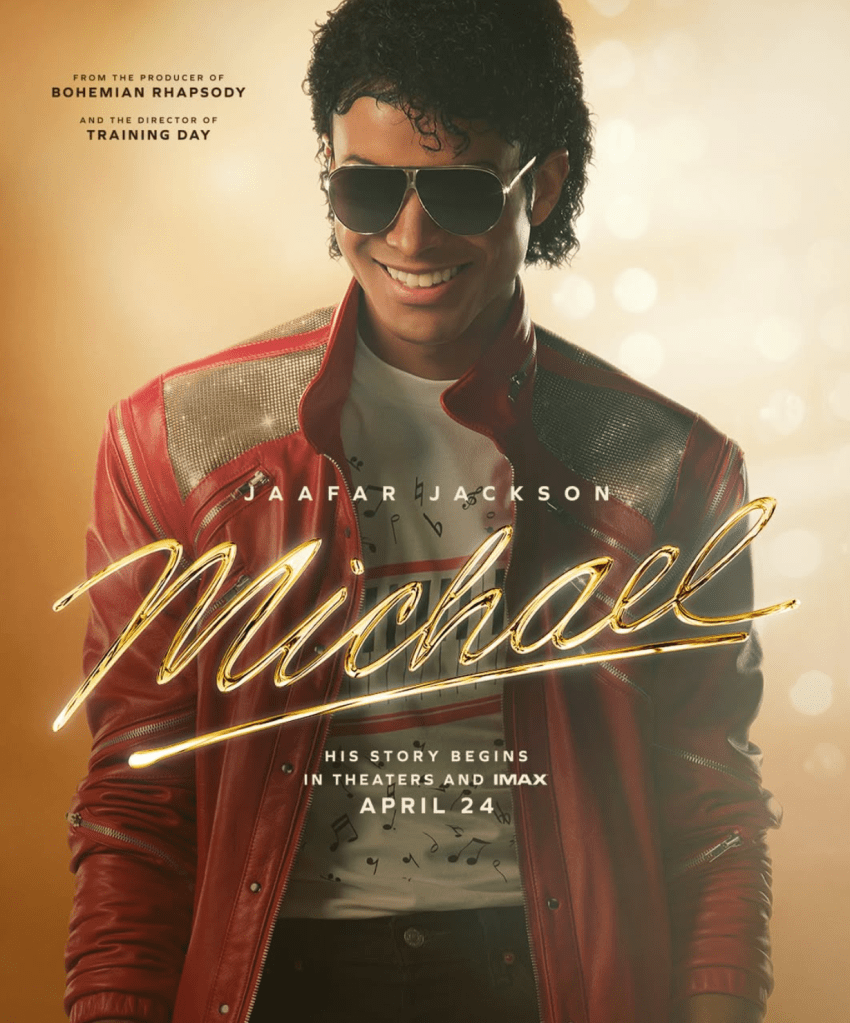
This is precisely why the resurgence of 80s pop culture and larger-than-life celebrity mythology feels so fascinating today. Younger audiences crave artists who feel cinematic again. They long for performers who appear larger than life rather than painfully ordinary. There is something almost mythical about the way Michael Jackson existed at the height of his fame, treated less like a person and more like a phenomenon. Grainy concert footage, screaming crowds, glittering jackets, and perfectly choreographed performances all contributed to a level of spectacle that feels nearly impossible to recreate in today’s oversaturated digital landscape.
In many ways, Michael represents the final stage of the untouchable pop icon. He existed during a cultural era where celebrity was still carefully constructed, where mystery remained part of the fantasy. Audiences did not feel endlessly exposed to him in the way they do with modern stars. Instead, every appearance felt monumental, every performance an event. That distance allowed figures like Michael to evolve into something almost godlike within public imagination.
The Biopic as Resurrection
So how does dramatization humanize someone while simultaneously elevating them to near mythological status? Why do biopics continue creating entirely new fanbases decades after a celebrity’s peak? And can cinema itself make a person culturally immortal?
These were the questions I found myself asking upon leaving the theater this past Saturday after experiencing Michael, directed by Antoine Fuqua and starring Jaafar Jackson alongside Colman Domingo and Miles Teller.
Above all else, the film feels transcendent. The performances are stellar across the board, particularly Jaafar Jackson’s uncanny embodiment of Michael’s movement, vocal cadence, and stage presence. The recreations of some of the most pivotal performances of Michael’s career are incredibly detail-oriented, immersing audiences in moments that have long since transcended entertainment itself and entered cultural mythology. Watching these scenes unfold on screen feels less like observing history and more like witnessing the recreation of legend.
The film succeeds most when it leans fully into spectacle. Concert sequences pulse with energy, costume recreations are strikingly accurate, and the cinematography understands the grandeur associated with Michael’s image. Even for viewers already familiar with his legacy, there is something undeniably emotional about seeing these moments reconstructed for the big screen.
At the same time, biopics occupy a complicated space between reality and storytelling. Only the Jackson family themselves truly know what was or was not rooted in reality. Audiences should approach dramatized portrayals with discernment, taking every emotional beat with a pinch of salt rather than unquestioned acceptance. Film has the power to soften, reshape, and immortalize public figures all at once. In trying to humanize celebrities, biopics often unintentionally elevate them further, transforming flawed individuals into carefully curated cultural myths.
Still, “Michael” succeeds in resurrecting a legacy for a generation born long after his cultural peak.
Fan Girls, Fandom, and Cultural Rebirth
For younger viewers especially, the film functions as more than a nostalgic retelling or standard musical biopic. It becomes an introduction to a level of fame many of us never witnessed firsthand. In many ways, it reintroduces the fantasy of the pop idol to a new generation of would-have-been fan girls, audiences longing for spectacle in an era where celebrity often feels painfully ordinary.
Social media may have changed fandom, but it has not erased the desire for obsession. If anything, it has simply modernized it. Today’s fan culture lives through edits, archival concert clips, stan accounts, and digital communities that continuously revive artists for entirely new audiences. Younger viewers romanticize older celebrity eras because they represent something modern fame increasingly lacks: mystery, scale, and theatricality.
Perhaps that is why biopics remain so culturally powerful. They allow icons to evolve beyond death, continuously rediscovered and reinterpreted by entirely new generations. Cinema preserves these figures in a near eternal state, transforming everyday people into legends remembered far beyond their own lifetimes. For better or worse, Hollywood has mastered the art of turning human beings into modern mythology.

 Anyway! Magazine
Leave a comment