Alternative music has never belonged to one sound, one scene or one background. Across indie pop, punk, hard rock, post-hardcore and R&B, Hispanic artists have helped shape the alternative landscape while bringing influences from their own cultures and musical traditions along with them.
For Hispanic Heritage Month, Anyway! is highlighting six artists who represent different corners of the alternative scene, from established names to a newer generation pushing the sound forward.
The Marías
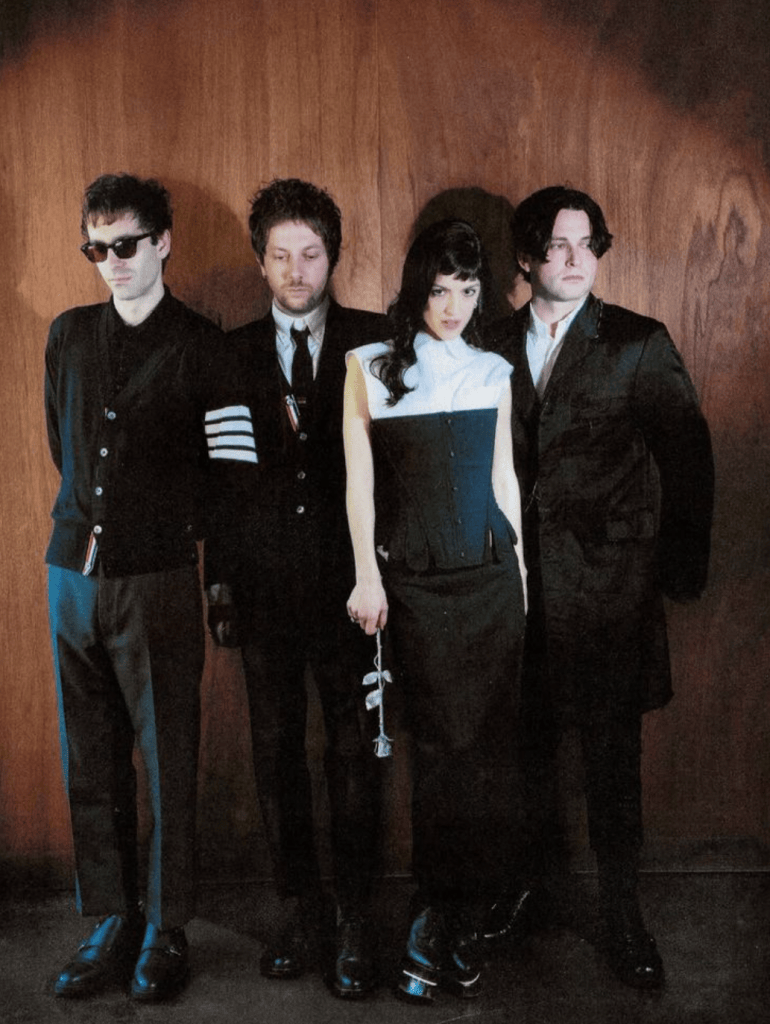
Dreamy, cinematic and instantly recognizable, The Marías have built an entire world around their music.
Fronted by Puerto Rican-born María Zardoya, the Los Angeles-based band blends psychedelic pop, indie, jazz and R&B into a sound that feels equally suited for headphones and a hazy dance floor. Zardoya frequently moves between English and Spanish, making bilingualism a natural part of the band’s identity.
Albums like Cinema and Submarine have expanded their atmospheric sound while maintaining the intimacy that first distinguished them. Between dreamy production, surreal visuals and Zardoya’s understated vocals, The Marías have created an alternative-pop identity entirely their own.
The Warning
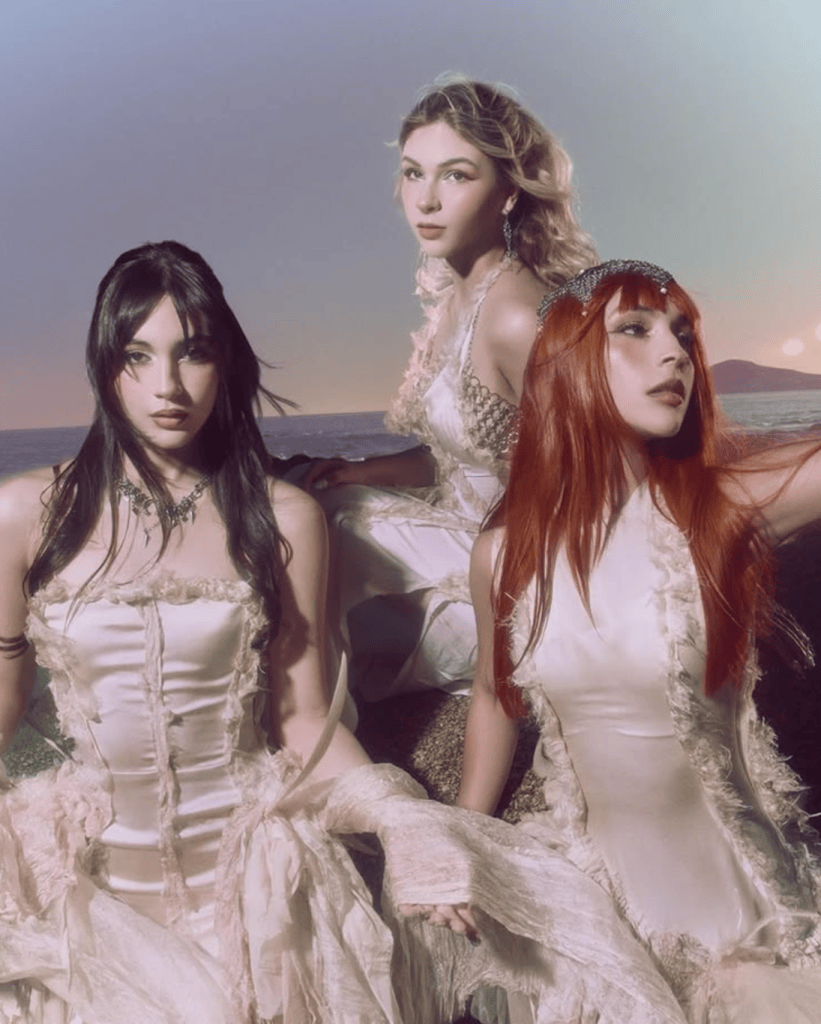
Rock is alive and well in Monterrey, Mexico.
Sisters Daniela, Paulina and Alejandra Villarreal make up The Warning, a trio whose rise has taken them from uploading performances online as kids to playing major rock stages around the world.
Their music combines hard-rock instrumentation with massive choruses and an increasingly polished modern edge. Daniela leads on guitar and vocals, Paulina commands the drums and Alejandra anchors the trio on bass, with all three contributing to the band’s unmistakable chemistry.
After more than a decade of playing together, The Warning have become part of a new generation carrying Mexican rock onto an international stage.
Mon Laferte
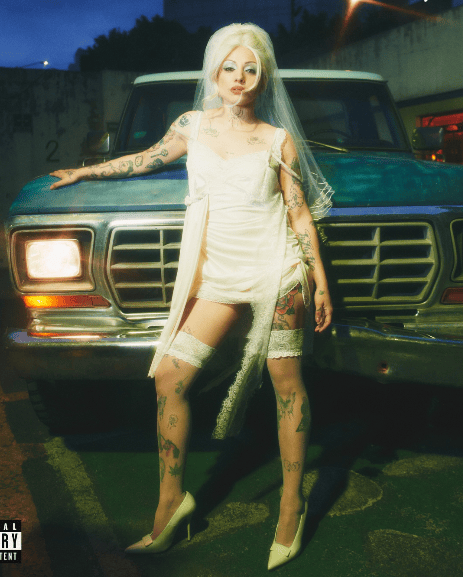
Trying to fit Mon Laferte neatly into one genre is almost impossible, and that’s exactly the point.
Born in Chile and later establishing her career in Mexico, Laferte has spent years moving through alternative rock, pop, bolero, blues and traditional Latin American sounds. Rather than separating those influences, she allows them to collide.
Her catalog can be theatrical and explosive one moment before becoming deeply intimate the next. That versatility has made Laferte one of the most distinctive voices in contemporary Latin music, while her constant experimentation keeps her firmly connected to the alternative spirit.
Destroy Boys
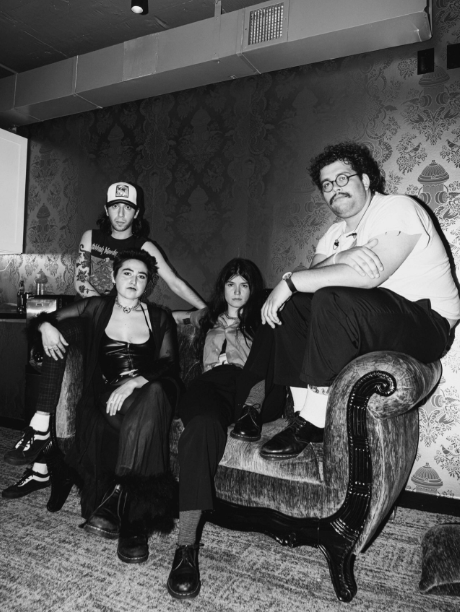
Destroy Boys bring a different kind of energy to the lineup.
Formed in Sacramento, the band emerged from the punk scene with music that’s loud, restless and difficult to contain. Their catalog moves through punk, garage rock, alternative and hardcore, evolving alongside the band rather than settling into one formula.
Mexican-American vocalist Alexia Roditis leads the group with a vocal style capable of moving from melodic restraint to outright fury. That unpredictability has become part of Destroy Boys’ identity.
In a genre built around challenging expectations, Destroy Boys continue to embrace punk’s ability to be personal, confrontational and constantly changing.
Pierce the Veil

Few bands have had the same lasting presence in modern post-hardcore as Pierce the Veil.
Formed in San Diego and led by Mexican-American frontman Vic Fuentes, the band became a defining act of the alternative scene through frantic instrumentation, dramatic songwriting and instantly recognizable vocals.
Albums including Collide with the Sky introduced Pierce the Veil to a generation of listeners, while songs throughout their catalog have continued finding new audiences years after their original releases. Their music has also incorporated touches of Mexican musical influence alongside post-hardcore, emo and experimental rock.
Years after their breakthrough, Pierce the Veil continue reaching new listeners without abandoning the intensity that established them.
Girl Ultra
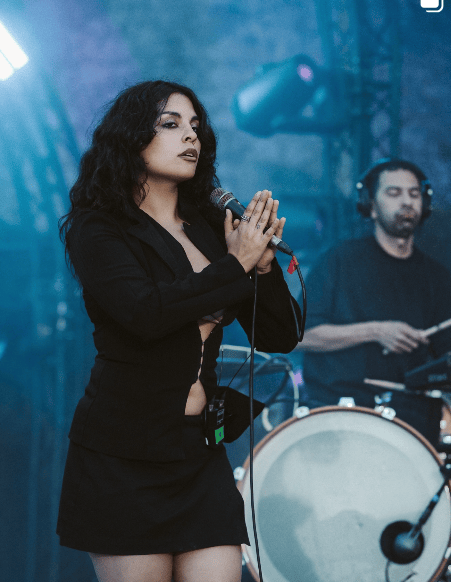
On the softer end of the alternative spectrum sits Girl Ultra, the stage name of Mexico City artist Nan de Miguel.
Girl Ultra approaches R&B through her own lens, combining neo-soul, electronic production, alternative pop and Spanish-language songwriting. The result is music that feels intimate without being understated and experimental without losing its hooks.
Her place within Mexico’s alternative scene also shows just how broad the term “alternative” can be. It doesn’t have to mean distorted guitars or a traditional rock band. Girl Ultra takes that same spirit of experimentation into R&B and pop, creating something distinctly her own.




Leave a comment