An expansion of SEVENTEEN’s Vernon and his takes on the current K-Pop sound featured on The Hollywood Reporter, echoing a prominent discussion of South Korea’s globalized music industry and probable disconnection to its Hallyu essence.
With the rise of international attention to South Korea’s music scene thanks to Kpop Demon Hunters and K-Pop trailblazers ATEEZ, ILLIT, CORTIS and KiiiKiii, many of my inner circles ask for my opinion on the state of K-Pop. Where the current industry is heading, the rise of disbandments (boy group of six years E’LAST announced their conclusion of group activities last night at the time of drafting this article), and constant project releases with few breaks in between, many fans are left exhausted, overstimulated, and quite frankly, exiting the genre all together. However, with the release of this feature, Vernon’s statements with commentary from the interviewer regarding music production, the naming of infamous K-Pop acts prior to South Korea’s global acclaim, inspired to walk down memory lane, revisiting many of my favorite K-Pop 2000s and 2010s hits to share with newer fans of the genre.
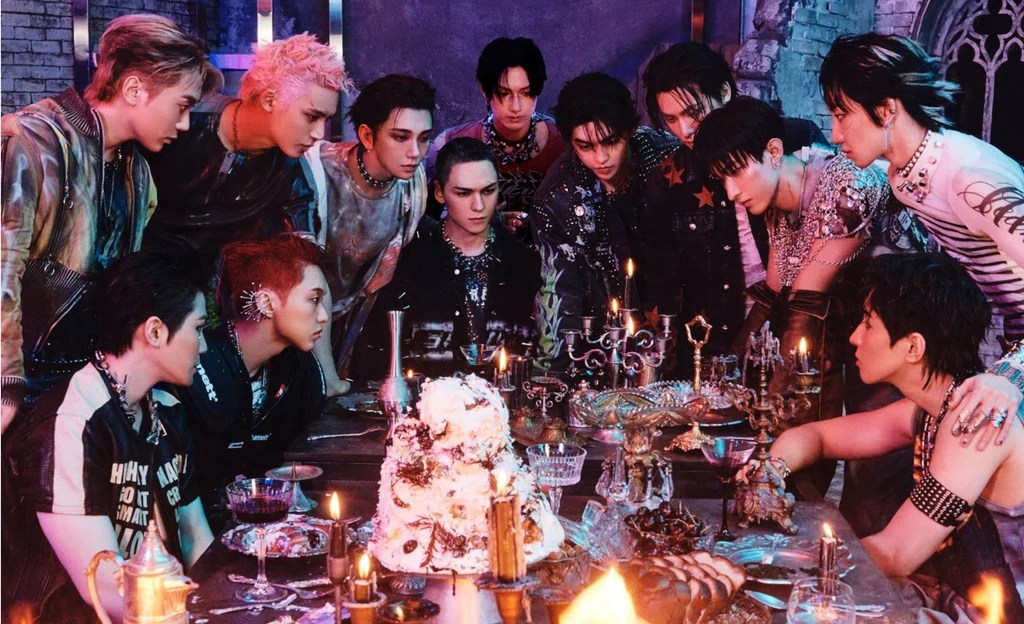
SEVENTEEN’s Legacy
SEVENTEEN of Pledis Entertainment housed under HYBE debuted in 2015, the arrival of K-Pop’s third generation shortly taking place after PSY’s Gangnam Style global YouTube record for Most Liked YouTube Video in 2012. The “Hallyu” wave brought in more international K-Pop fans (including myself), fondly looking back on the anticipation of SEVENTEEN’s debut after becoming acquainted with senior labelmates idol groups NU’EST and After School.
Applauding SEVENTEEN for their contribution to the K-Pop genre by establishing themselves as self-producing along with high quality performance and musicality, the group’s synergy and chemistry solidified through two exclusive contract renewals throughout their career. Since the first renewal in 2021, many subunits prior to SEVENTEEN Leaders and BBS have taken off, JxW (Jeonghan x Wonwoo), HxW (Hoshi x Woozi), CxM (S.Coups x Mingyu), DxS (DK x Seungkwan), and the latest V8 (Vernon x THE 8), playing into their strengths as artists knowing there is something for everyone to enjoy, including themselves.

V8’s debut album of the same name, coined an “electropop snapshot” by Apple Music, consists of EDM, hyperpop, and dance-pop tracks in English, Korean, and Mandarin, highlighting themes of relationships, navigating social dynamics, and industry pressures of fame. With this EP’s rollout, many interviewers have asked Vernon about his perspective with K-Pop current trends and how it differs from when he first debuted eleven years ago.
I feel like K-Pop sounds more and more like American pop instead of K-Pop, and I think a lot of people talk about that, too. So it makes me want to go back to the 2000s or early 2010s, when I was in elementary school, like with Wonder Girls, or BIGBANG, or 2NE1, all that.
I think it’s because K-Pop producers always tried to bring American sounds to K-Pop and make it their own thing, and I think right now, they got to the point where they’re too good. You can’t differentiate between K-Pop and pop, I mean, you can but the gap has become more and more thin. And that makes a lot of people want to go back to old K-Pop.
Many fans revert back to 2000s and early 2010s K-Pop releases, the very releases that inspired many of our third and fourth generation idols to become the powerhouses they are today.
K-Pop of the Late 2000s
SHINee – Ring Ding Dong (2009)
Truly a cult classic, one of the very K-Pop tracks that it is the number one banned song by college entrance exam takers for its catchy chorus and unique visuals. It is still loved to this day, many people may be familiar with Jonghyun’s opening “Baby~” from popular social media audio trends.
Wonder Girls – Tell Me (2007)
Fun, quirky, and bright, Wonder Girls was one of my first introductions to K-Pop girl group tracks. Tell Me has a youthful and carefree energy that makes you want to get up and move, especially when you’re feeling lost or need to let your heart dance to the beat of your own drum. We also owe it to them for capturing international attention through songs like Nobody, becoming the first Korean act to appear on the Billboard Hot 100!
MBLAQ – Oh Yeah (2009)
MBLAQ was one of the first K-Pop boy groups discovered during my initial exploration of the genre back in middle school, their title tracks Stay and Mona Lisa still played to till this day. Many people find solace in these spaces, expressing their gratitude for the groups that marked a golden era of K-Pop irreplaceable regardless of whatever formulaic method companies try to perfect. These idols of this era were hungry, motivated, and passion-driven, inspiring a new wave of trainee-turned-idols that continues to turn the wheel.
After School – DIVA (2009)
Although many people shower BANG! with love, DIVA is truly one of those K-Pop songs that every girl group should have on their discography. A song purely whimsical, casual, and fun, a song that does not wish to become more than it needs to be, a song full of love, girlhood, and charm. Watching MMTG’s video of the remaining members perform it again in 2021 makes me want to cry from the sheer stage presence, nostalgia, and charisma these beautiful ladies carry to this day, truly the “idols” of our favorite idols now.
K-Pop of the Early 2010s
TEEN TOP – Supa Luv (2011)
TEEN TOP is a boy group with iconic title tracks such as Rocking, To You, and Clap. Performance becomes one of the main attractions for listeners to gravitate to K-Pop as a genre, TEEN TOP’s choreography setting a bar for its synchronization, athleticism, and versatility.
T-ARA – You Drive Me Crazy (2010)
T-ARA ruled an era of Janet Jackson and Britney Spears-esque pop, presenting with sultry and confident aura that dominated each stage performance. Their discography is dance-heavy and high energy, with many remixes created to play in nightclubs and party-related spaces.
INFINITE – The Chaser (2012)
Known for their “knife-like choreography”, INFINITE is adored by many second generation K-Pop fans for their versatile title tracks that demonstrate synergy and unique vocal color. The Chaser became many latter idols’ origin song that began their trainee journeys, such as Hyunjae from THE BOYZ that performed the song with classmates during middle school.
KARA – STEP (2011)
A track that immediately resets your mood, KARA’s title tracks are filled with instrumentals that only gets you up and onto your feet, dancing the time away in high spirits. The group stills receives much love and praise, going on a fan-con this year for their 15th year anniversary.
Revival is On the Horizon
At the time of this article publishing, amazing news hit the internet with groups dating back to first generation announcing planned comebacks and reunions, such as Fin.K.L and BESTie. Whether from resurgence of 2010s K-Pop songs taking over due to social media trending sounds or conversations posed by idols such as Vernon about the state of K-Pop musicality, it is a delicate time for these idols, active or disbanded, to reclaim their time and receive the baton pass, creating a beautiful full circle moment in the organized chaos of this industry: beautiful, cathartic, and yet exciting with room to grow and blossom.
Check Out the Featured Songs in Our Spotify Curated Playlist!




Leave a comment